
Homeschool: Good & Beautiful
The Good and the BeautifulEducation
3.5177.00 Reviews
- Version
- 1.8.4
- Installs
- 100.00K
- Age Rating
- Everyone
Screenshots
Our Review of Homeschool: Good & Beautiful
 Analysis by Appyee
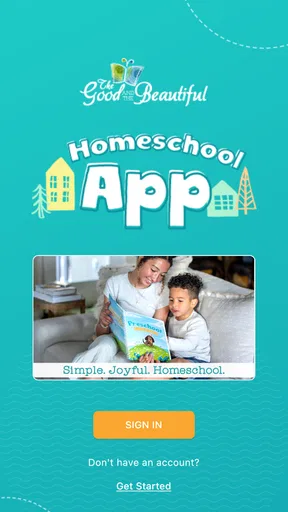
I approached Homeschool: Good & Beautiful as a practical companion for families already interested in The Good and the Beautiful, rather than as a complete learning platform on its own. The app sits in the Education category and is free to use, with a focus on helping parents reach related media and the developer’s online store from one place. That sounds simple, but it can be useful when your home education routine already involves the same curriculum ecosystem.
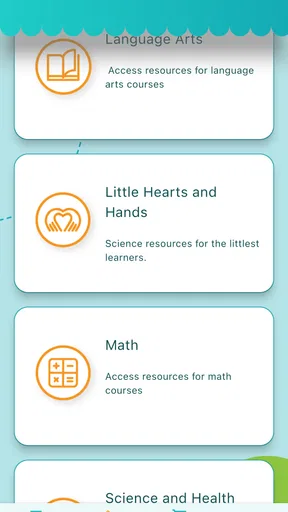
My first impression was that this is less about replacing books, lesson planning, or a full classroom system and more about reducing the small amount of searching that happens around those materials. If you are a parent trying to find supporting content while preparing a lesson, or you want to browse the available resources without opening several separate pages, the app has a clear purpose. If you expect interactive teaching tools, detailed progress tracking, or a broad collection of unrelated educational subjects, you may find its role narrower than expected.
What to expect before you begin
The Good and the Beautiful is the developer behind this app, and its audience is clearly families using a homeschool approach. The store summary describes convenient access to correlated media and the online store, so I would set expectations around discovery and access rather than daily student instruction. It is best understood as a doorway into supporting material and shopping resources connected with the publisher’s educational approach.
That distinction matters because many education apps are built around a child tapping through exercises, earning progress, or following a digital lesson sequence. This one is more parent-facing. I would install it when I want to explore resources connected to a lesson or curriculum choice, not when I need an app to occupy a child independently for an entire study period.
The app is free, and its content rating is Everyone, which makes it approachable for a family device. It supports Android devices running at least version 7.0, so it is not limited to recent hardware. The current version is 1.8.4. Those details make it easier to decide whether an older family phone or tablet is a realistic place to try it.
Its average rating is 3.5 from around 374 ratings, while the app has around 177 written reviews. I would read that as a reason to keep expectations balanced: there is enough use to show that families are trying it, but the rating does not suggest that every user finds the experience effortless. In practice, an app that connects you to a larger resource system can feel very useful to one household and unnecessary to another.
The right audience for this particular app
I think it makes the most sense for a parent who already recognizes The Good and the Beautiful’s materials or is actively considering them. The connection between the app and the publisher’s wider catalog is the main reason to keep it installed. It can serve as a convenient starting point when you want to investigate related media, look at available products, or orient yourself around the publisher’s resources.
It is less compelling for someone who follows several unrelated curriculum providers and wants one neutral dashboard. A general homeschool planner, a note-taking app, or a learning platform with built-in student activities may be a better fit if your priority is scheduling, attendance, grading, or seeing a child’s completed work. I would not choose this app as my only digital homeschool tool.
One useful way to think about it is as a companion shelf beside your physical curriculum. The books and lessons remain the center of the routine; the app helps you reach material that may support those lessons or helps you browse the publisher’s store. That narrower role is not necessarily a weakness, but it does mean the value depends heavily on whether the publisher’s ecosystem is already part of your household.
Starting setup without making the process harder
After installing it, I would begin with a very small goal: open the app and identify the two areas that matter most to you, namely the media connected with the curriculum and the shopping area. There is no benefit in treating the first launch like a full school administration setup. The fastest way to understand the app is to see whether it leads you to something you genuinely need for the next lesson or planning session.
Before browsing, it helps to know what you are looking for. For example, write down the subject, lesson theme, or type of resource you want to investigate. Approaching the app with that question makes the experience more useful than opening it casually and scrolling through everything. This is one of the small workflow improvements I would recommend to a first-time user: use the app as a targeted reference point, not as a replacement for a complete curriculum map.
If you are setting it up on a shared family device, I would also decide whether the parent or the student is the primary user. Because the app is centered on correlated media and the online store, it is naturally more useful in a parent’s hands. A child may be able to view some educational material, but the decisions about choosing resources and shopping belong more comfortably with an adult.
The free price removes one common barrier to trying it, but free does not mean every part of the wider experience is automatically included as a digital lesson. I would distinguish between installing the app and acquiring curriculum or other resources through the connected store. That difference is important for budgeting and for avoiding the assumption that the app itself supplies a complete homeschool program.
A calm first session works better than broad browsing
My suggested first session would take only a few minutes. Open the app, look for the media area, and choose one topic that matches something your family is studying. Then inspect the store section separately, without treating it as part of the lesson itself. Keeping those actions separate helps you understand whether you are looking at supporting content or considering a purchase.
This separation is also helpful when more than one adult shares planning duties. One parent might use the media side during preparation, while another might browse the store later when comparing materials. Instead of passing around a long list of browser tabs, the app can provide a single familiar starting point for the publisher’s resources.
I would not spend the first session trying to build an entire academic year inside the app. Its strength is quick access, so a narrow test gives a fairer picture. Pick one upcoming lesson, find related material if available, and decide whether that saves you time. If it does, the app has already shown its practical value.
Reaching the first meaningful success
The first successful action should be concrete: use the app to support one real homeschool moment. Imagine that your child is preparing for a lesson and you want an additional piece of related media before starting. Rather than searching the wider internet and sorting through unrelated results, open the app, navigate to the relevant media area, and see whether it provides something connected to your current study.
If you find a useful item, note where it sits and how you reached it. That small habit turns a one-time discovery into a repeatable routine. The next time a similar lesson comes up, you will know whether to begin in the app or go directly to another resource. I find this more realistic than expecting the application to organize every part of the school day automatically.
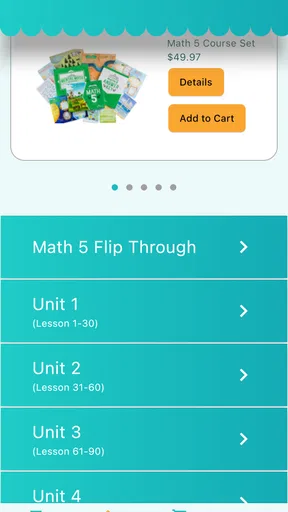
A second meaningful action is using the store thoughtfully. If you are already considering a book, course, or supporting item from The Good and the Beautiful, the app can act as a convenient route to browse the publisher’s offerings. I would compare what you see with your actual lesson plan before buying anything. The convenience of having the store close at hand is useful, but convenience should not replace deciding what your family needs.
This is where the app can save more effort than a generic search engine. A broad web search may return many educational products, reviews, and competing approaches. The connected experience keeps the focus on one publisher’s materials. That is helpful when you have already chosen the curriculum style; it is limiting when you are still comparing completely different homeschool systems.
A realistic weekday example
Picture a parent preparing the next morning’s lessons after dinner. The printed materials are already on the table, but the parent wants to check whether related media is available before planning the activity. Opening this app provides a focused place to look. If the relevant content is easy to reach, the parent can make a quick note and close the app instead of spending the evening searching through unrelated pages.
The following day, the parent can use the chosen material alongside the physical lesson, with the app serving as the access point rather than the entire teaching environment. Afterward, the parent might return to the store section to investigate a resource needed for a later unit. That is a believable, useful rhythm: prepare, access, teach, and browse separately.
The trade-off is that the app may not remove every step. You still need to decide whether the media fits your child, whether a store item belongs in your plan, and how the resource will work with the lesson. I see that as a reasonable boundary for a companion app, but users expecting one-tap lesson completion may find it less satisfying.
Where first-time users may get confused
The biggest possible misunderstanding is assuming that the word “homeschool” means the app itself is a full homeschool management system. I would not approach it expecting a calendar, assignment tracker, gradebook, or student dashboard. Its visible purpose is connected access to media and the online store, so those are the areas I would judge first.
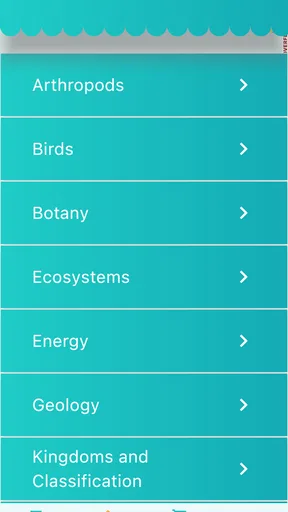
Another point of confusion is the difference between correlated media and general entertainment. Related content should be considered in the context of a lesson or subject, not treated as a random video library. I would preview anything before sharing it with a child and decide how it supports the lesson. That extra judgment is part of responsible homeschool use, especially when the child is working independently.
The store connection can also blur the line between learning and shopping. I recommend opening the store with a specific need in mind, such as filling a gap in the materials you already use. Browsing without a plan may make the app feel more commercial than educational, even though the store is one of its stated functions. Keeping a short list of needed resources makes the experience more focused.
Some families may also wonder whether they need an account or whether the app replaces the publisher’s other ways of accessing resources. I would treat it as an additional access route and follow the on-screen prompts during setup rather than assuming it changes how your existing materials work. The practical question is simple: can you reach the media and store content more conveniently here than through your usual method?
If the answer is no, there is little reason to force the app into your routine. A browser bookmark may be faster for a household that visits only one page repeatedly. On the other hand, if you regularly move between related media and the publisher’s catalog, having those destinations gathered in one app can make the transition less distracting.
Limitations worth considering before relying on it
The app’s focused design is also its main limitation. It does not appear to be aimed at replacing a planner or managing all the moving parts of home education. Parents who need records, schedules, reminders, or detailed progress information will likely need another tool alongside it. That is not a reason to dismiss it; it is a reason to place it correctly in your toolkit.
I would also be cautious about recommending it to families who do not use The Good and the Beautiful. The app’s usefulness is tied to the developer’s resources, so a household committed to another curriculum may gain very little from installing it. A broader education app or a general browser workflow would probably offer more relevant material in that situation.
The moderate rating suggests that ease and reliability may not feel identical for everyone. I would install it and test one real task before depending on it during a busy school morning. If the path to the media you need is clear and repeatable, it can earn a place in your routine. If you repeatedly have to search around or switch back to other tools, keep it as an occasional reference rather than a daily essential.
How it compares with familiar alternatives
Compared with a standard web browser, the app’s advantage is focus. A browser can reach the same general online world, but it also exposes you to unrelated results, competing products, and extra tabs. This app makes more sense when you want the publisher’s own connected resources without beginning from a blank search page.
Compared with a homeschool planner, it serves a different purpose. A planner organizes time and responsibilities; this app helps you reach supporting media and the developer’s store. I would use both if my family needed scheduling plus access to curriculum-related content. Choosing one over the other depends on the problem you are trying to solve, not on which app has more features.
Compared with a child-centered learning platform, this app is more parent-directed and less focused on independent digital practice. A learning platform may be better when you want automatic exercises or visible student progress. This app is better when the printed curriculum remains central and you simply want a convenient route to related resources.
Compared with a general shopping app, its value is context. You are not browsing an enormous marketplace with every possible educational brand; you are looking at the catalog associated with The Good and the Beautiful. That can reduce searching for existing users, while making the app irrelevant to families who are still deciding among publishers.
Building a useful routine after the first try
Once the first test works, I would keep the routine deliberately light. Use the app during weekly planning to check for media that genuinely relates to upcoming lessons, then return to the store only when you have identified a real gap or a resource worth investigating. This prevents the app from becoming another place where homeschool planning expands without improving the day.
A helpful habit is to record the lesson context beside any resource you decide to revisit. You might note the subject and the reason you saved the idea, rather than relying on memory. The app can help you find the material, but a separate family planning method may still be better for remembering when and why you want to use it.
I would also introduce the app gradually to children. First, let an adult evaluate the available material and decide how it fits the lesson. Later, if the content is appropriate for independent use, the child can learn where to access it. This keeps the app from turning into unsupervised browsing and makes the parent’s role clear.
For families using older Android hardware, the minimum operating system requirement of 7.0 is reassuring, although the actual comfort of use will still depend on the device. I would test it on the device that normally sits near your school materials, because that is where convenience matters most. An app that works well but is installed on a rarely used phone will not improve the daily routine.
The app has passed the point of being a brand-new release, having first appeared on June 4, 2022, and its current version remains 1.8.4. I would still judge it by whether it works for your particular workflow today. Version information can help with compatibility, but the meaningful test is whether it gets you from a lesson question to a useful resource without unnecessary friction.
My recommendation for a first-time family
I would recommend trying Homeschool: Good & Beautiful if you already use, or are seriously exploring, The Good and the Beautiful’s homeschool materials. Start with one upcoming lesson, look for related media, and then decide whether the connected store is useful for your planning. That path gives you a clear first success and avoids expecting the app to do jobs it was not designed to handle.
I would skip it if you need a complete digital school system, a neutral curriculum library, or detailed student progress tools. In those cases, a planner, learning platform, or ordinary browser may be a better primary choice. You could still install this app later if the developer’s resources become part of your curriculum, but it should not be the foundation of a broader homeschool workflow.
My overall view is favorable but specific: this is a focused Education app for parents who want a more convenient connection to related media and The Good and the Beautiful’s online store. It is free, available to an Everyone audience, and has reached over 100K installs, but those figures do not change its central identity. Its real value comes from fitting neatly beside an existing curriculum, not from replacing one.
After using it, I would keep it installed if it consistently shortens the path from “I need something related to this lesson” to “I found the resource I can evaluate.” That is a modest goal, but for a busy homeschool parent, modest improvements can matter. Go in with that expectation, test one real task, and you will know quickly whether this companion belongs in your family’s routine.
Verdict
Strengths of Homeschool: Good & Beautiful
- Structured lessons make planning easier for homeschooling families.
- Covers multiple subjects within one educational platform.
- Printable resources support learning away from screens.
- Suitable for different ages and learning levels.
- Encourages creativity through hands-on activities and projects.
Limitations of Homeschool: Good & Beautiful
- Some materials may require printing, adding paper and ink costs.
- The teaching style may not suit every family or learning preference.
- Advanced learners may find parts of the curriculum too basic.
- Full curriculum use can require considerable parent involvement.
- Availability of certain resources may vary by region or device.
Similar Picks in This Category
View All
Duolingo: Language Lessons
Duolingo4.7

Google Classroom
Google LLC2.8

Unacademy: Learn & Crack Exams
Unacademy3.2

Bible App for Kids
Life.Church4.4

Cake - Learn English & Korean
Cake Corp.4.7

Brainly: AI Homework Helper
Brainly4.5
Frequently Asked Questions
What is Homeschool: Good & Beautiful?
Homeschool: Good & Beautiful is an educational app designed to support families who teach children at home. It generally complements The Good and the Beautiful curriculum with access to lessons, learning resources, planning support, and other homeschool materials. Its usefulness depends on the child’s age, the subjects you want to cover, and whether your family already follows this curriculum or is considering adopting it.
What subjects and age groups does Homeschool: Good & Beautiful support?
The app is intended for homeschool families working with children across different elementary and possibly secondary grade levels, depending on the resources currently available. Content may include language arts, reading, math, science, history, geography, and enrichment subjects. Before downloading, parents should check the current app description and curriculum catalog because grade coverage, course availability, and supported subjects can change over time.
Is Homeschool: Good & Beautiful free to use?
Downloading the app may be free, but not every lesson, course, or resource is necessarily included without charge. Some materials may be available at no cost, while complete curriculum packages, optional resources, or premium features can require payment. Families should review the in-app purchase details, subscription terms, and refund policy before committing, especially when planning a full school year around the platform.
Does the app replace a complete homeschool curriculum?
Homeschool: Good & Beautiful can be a helpful central tool, but parents should not automatically assume that the app alone replaces every part of a homeschool program. Depending on your children’s needs, you may still need printed books, hands-on activities, supplies, assessments, record keeping, and additional instruction. It is best viewed as part of a broader homeschooling routine rather than a complete substitute for parental involvement.
Does Homeschool: Good & Beautiful work offline?
Offline access depends on the specific lessons and features offered by the current version of the app. Some downloaded materials may remain usable without an internet connection, while account access, synchronization, updates, video content, or online resources may require connectivity. If your family homeschools while traveling or has unreliable internet, test the download and offline options before depending on the app for daily lessons.
